June 1- June 7, 2026
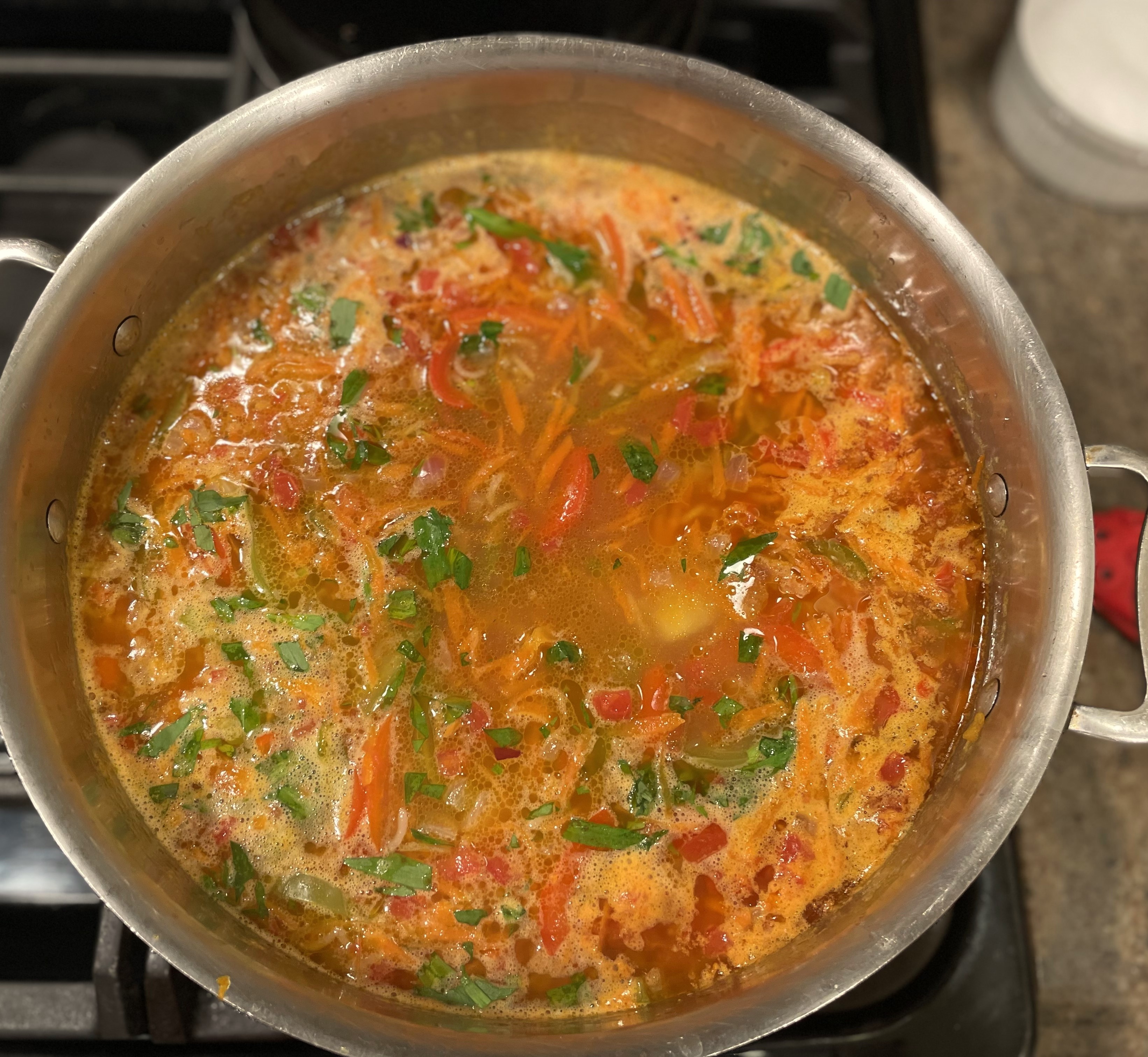
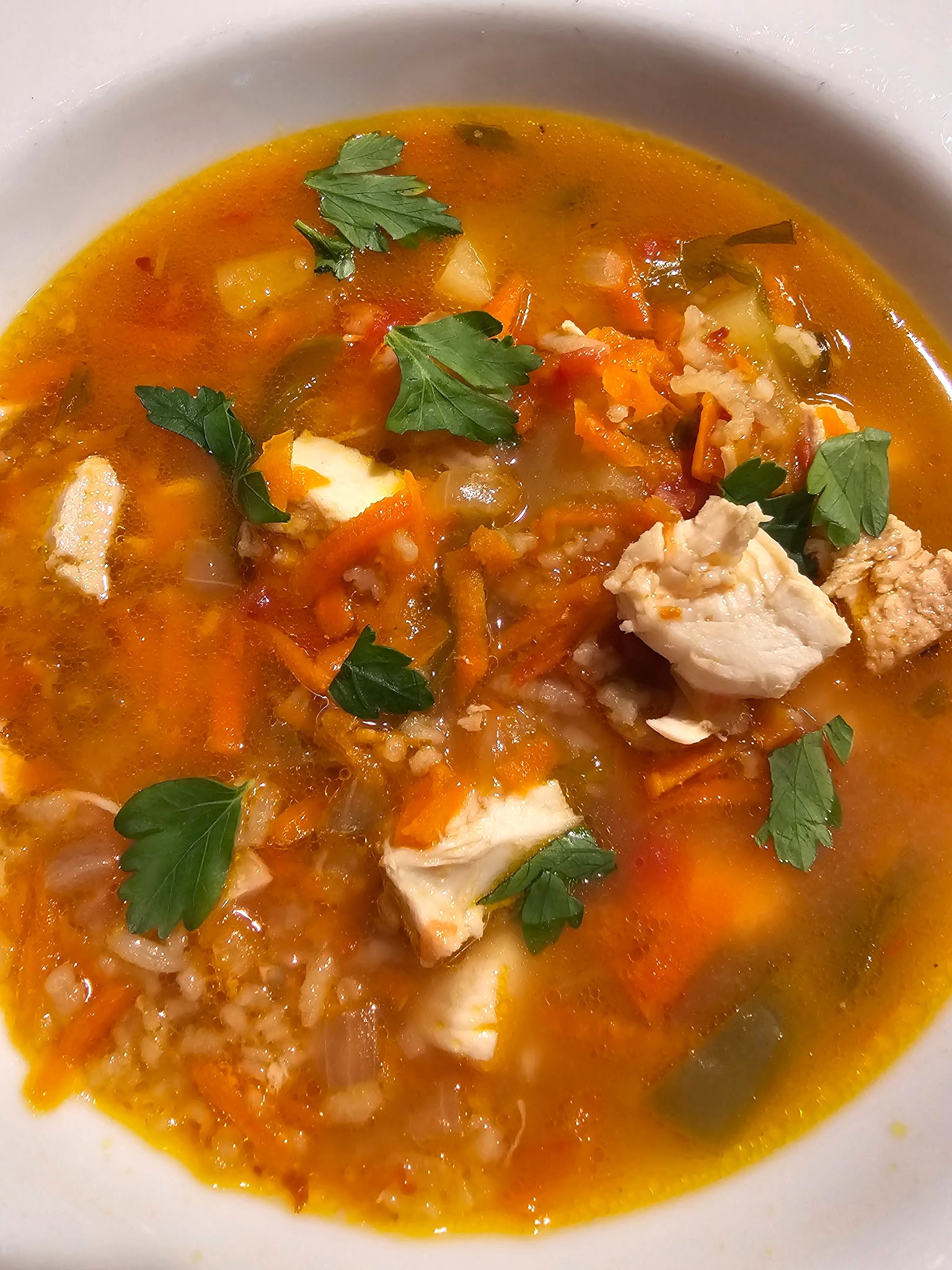
Monday: Tarragon Soup, Grilled Cheese, Watermelon Salad
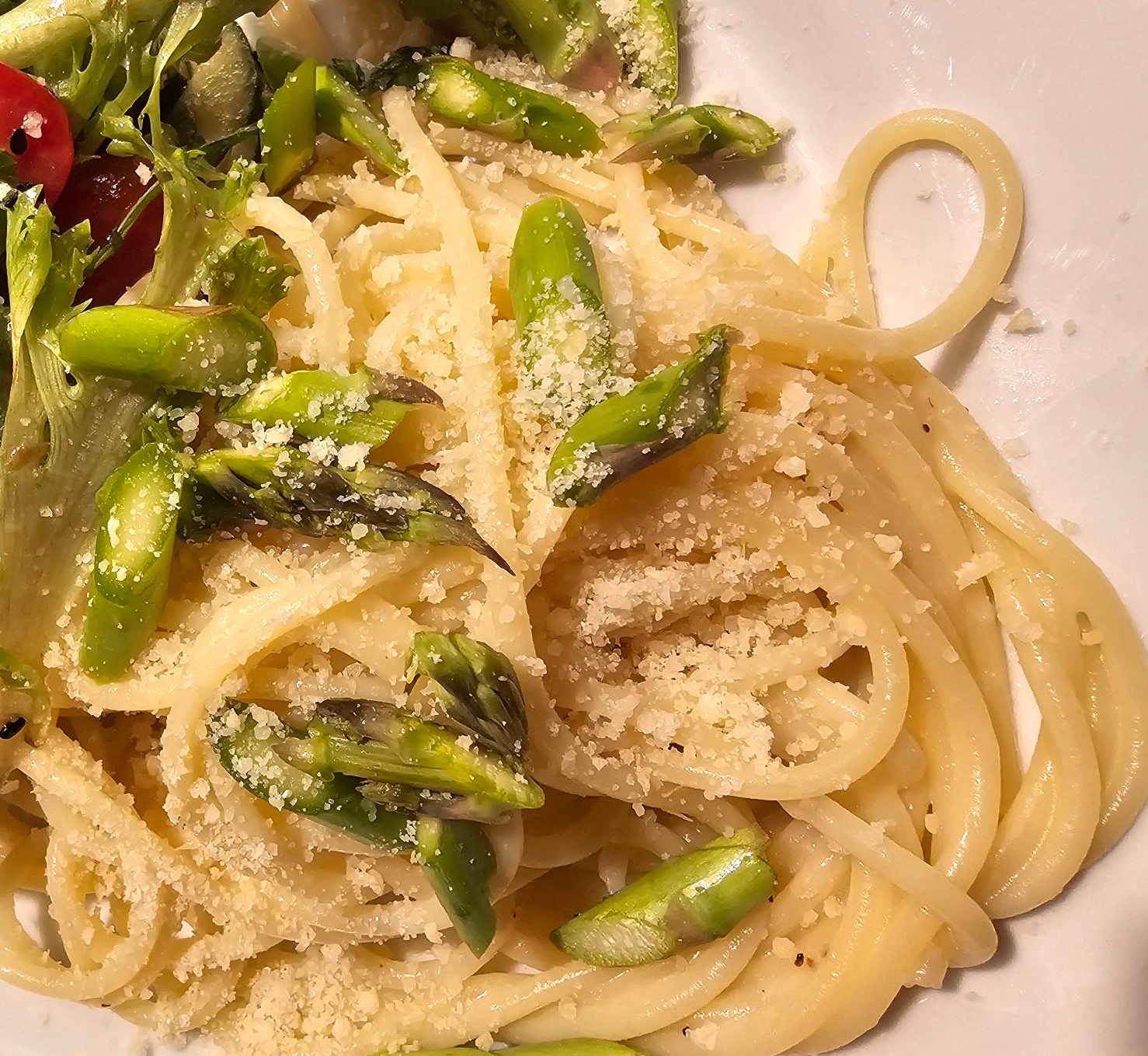
Tuesday: Cacio e Pepe Pasta, Tomato-Nectarine Salad w/ Whipped Goat Cheese
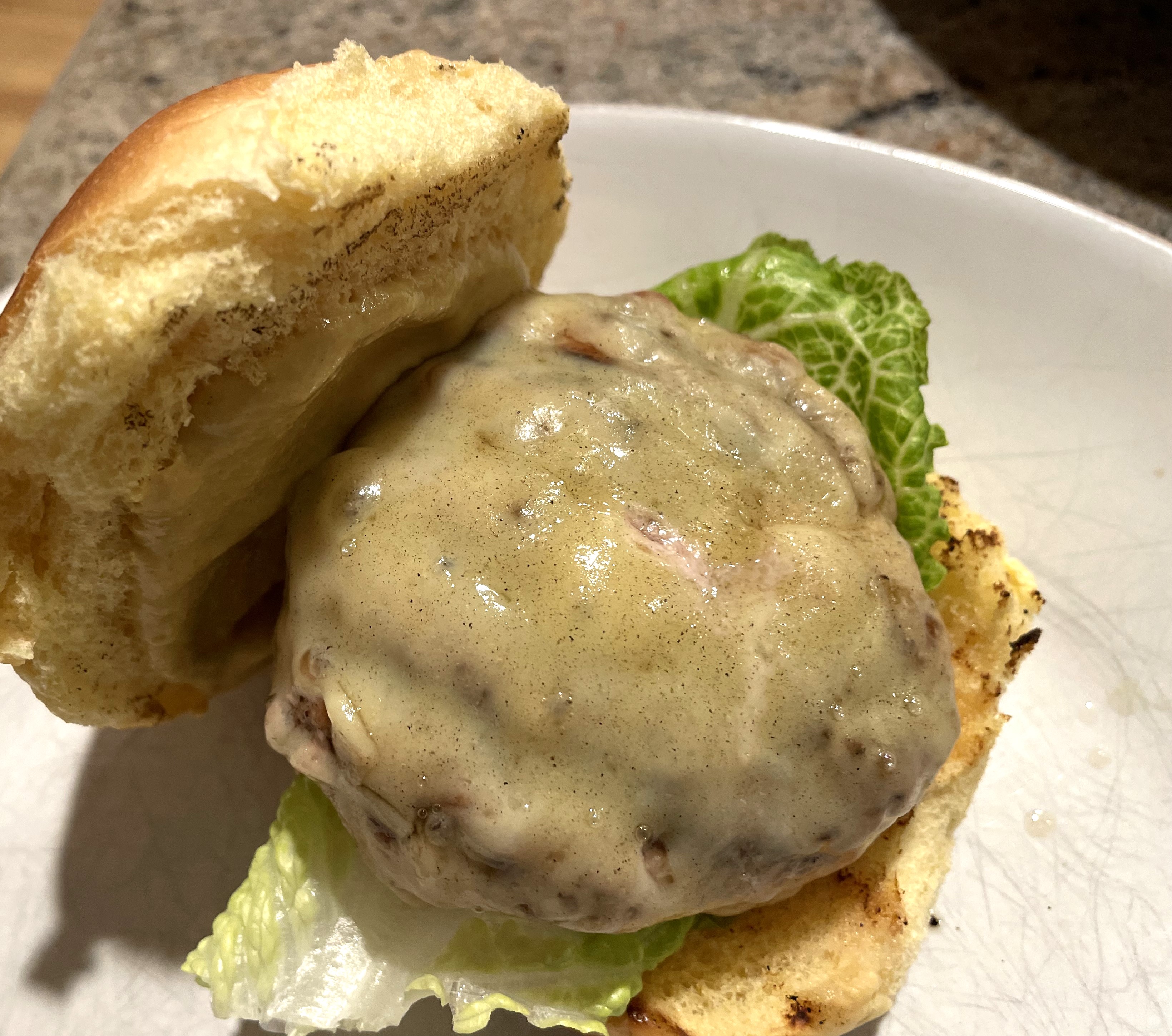
Wednesday: Turkey Burgers w/ Honey Mustard, Peach, Tomato and Goat Cheese Salad, Potatoes
Thursday: Rain out at PFC – I forget what we cooked
Friday: Grilled Swordfish with Wine-bottle Sauce
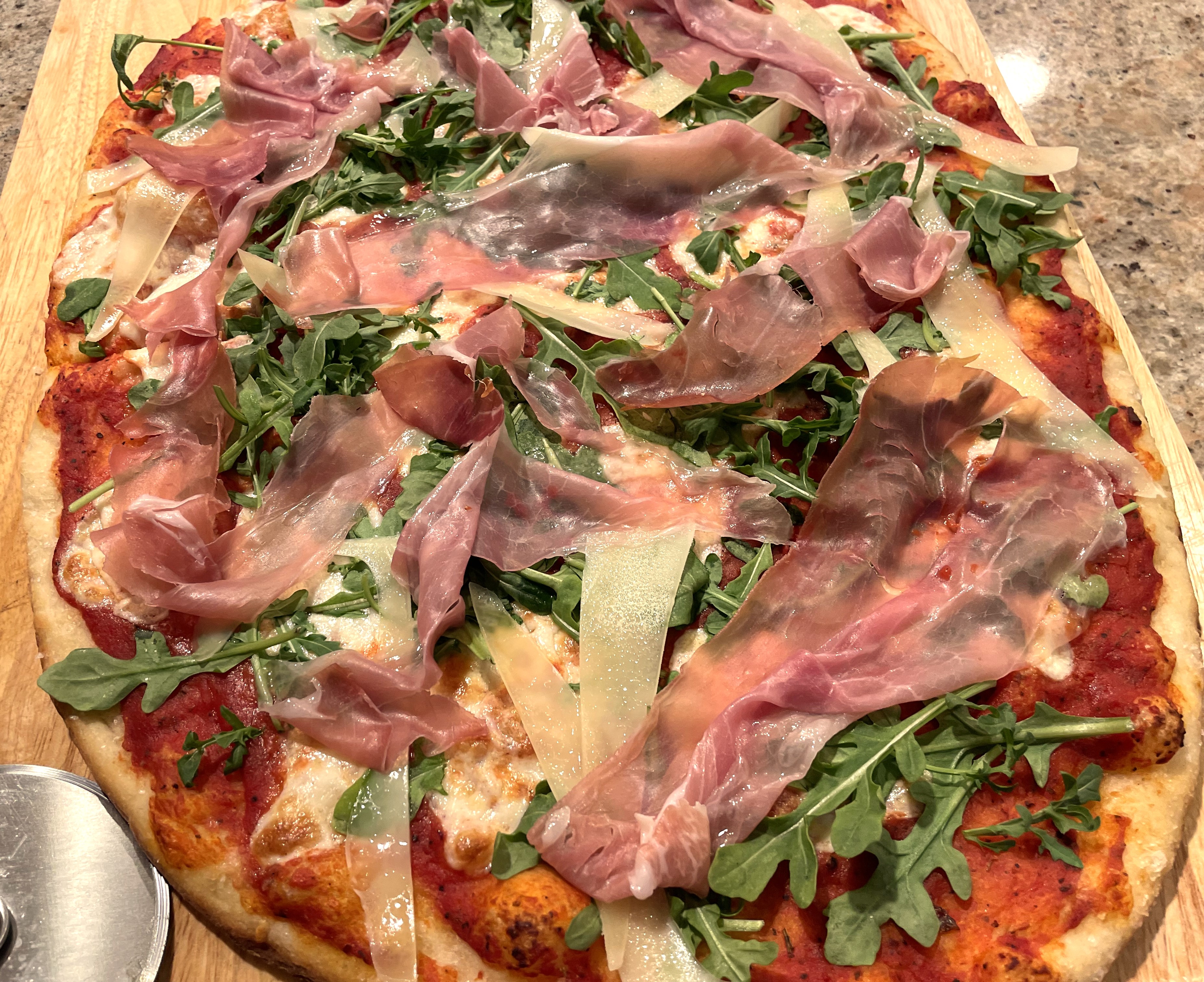
Saturday: Montagna Pizza
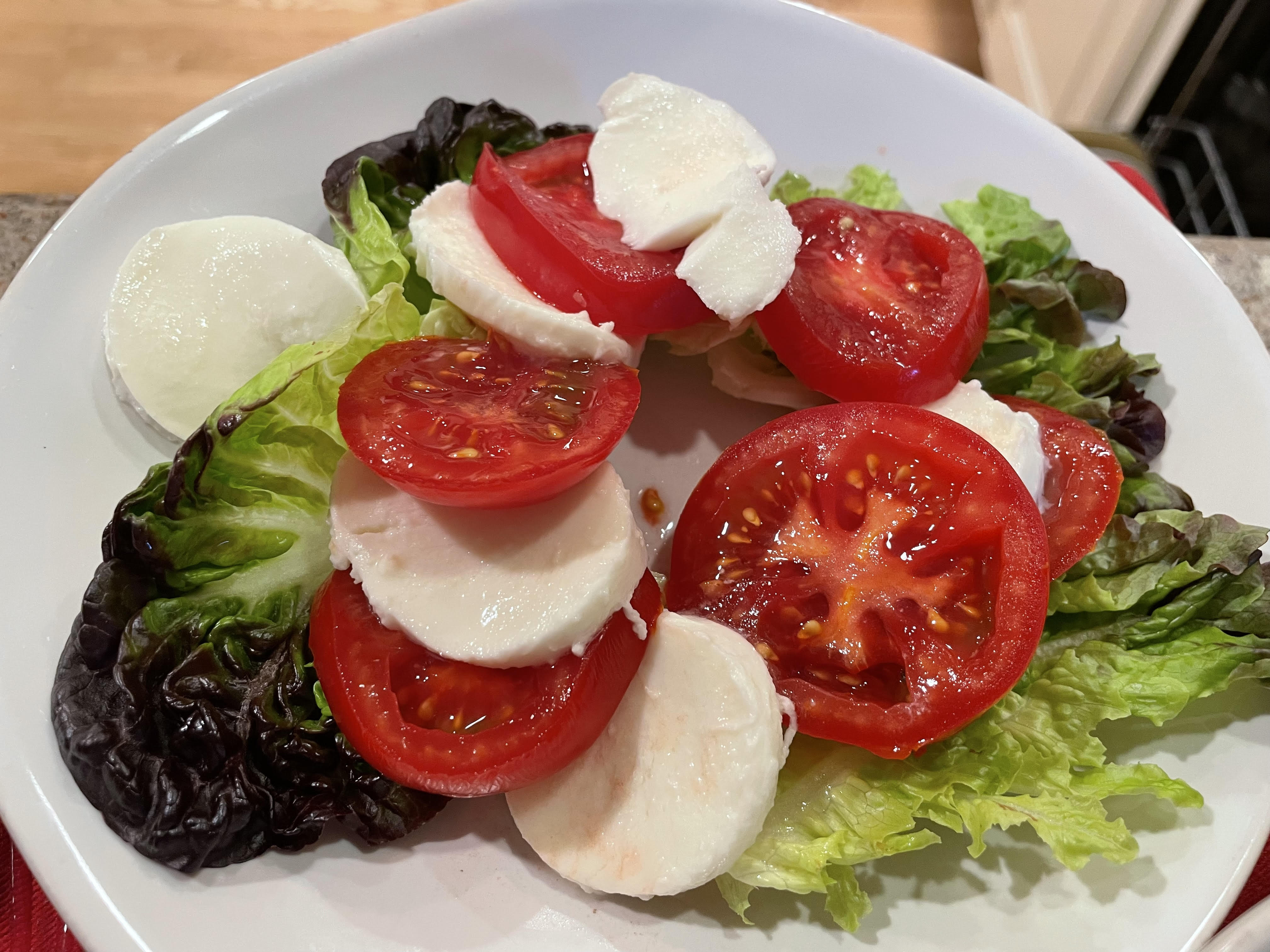
Sunday: Grilled Steak, Potato Salad, Caprese
Salad
The Caucasus – More than a Mountain Range
When you think of Georgian cooking, you probably think of barbecue with a white sauce, or peach cobbler. But Georgia is an ambiguous place name. It could be a place in the Southeastern United States, one of the 13 British colonies and one of the original states. But it could also be a myth-riddled land to the east of the Black Sea and west of the Caspian – home to Colchis, to which Jason sailed to fetch the golden fleece. And, indeed, Colchis was the name of a Roman-occupied area immediately bordering the Black Sea. But Iberia – confusingly close to the adjective modifying the Spanish peninsula – was the name the Romans used for the eastern part of what is now the country of Georgia. To add more confusion – Georgia is bordered on both the north and the south by the Caucasus Mountains (Greater Caucasus to the north, just plain Caucasus to the south) which also enclose Azerbaijan and Armenia. I had begun this paragraph with the thought that I could explain, fairly simply, the geographical position of the countries whose cuisine I’m going to write about this week. But, as you can see, there is no explaining Georgia. And as for Azerbaijan and Armenia, the great Mercator himself could not explain them.
So, Billy got me a cookbook, Kaukasis, for my birthday and, not being able to lay hold on most ingredients barring a major spelunking expedition to the Strip District, I’ve just recently gotten into the thing. The first thing I noticed, from the photographs scattered throughout the book, is that these countries are quite poor. The cars are junkers, the dishes and plates and glasses and utensils rarely match. It’s kind of like eating in the house of a student or the apartment of a single, young adult – the sort of place where someone might have to rinse out a dirty cup or glass to give you a drink.
The second thing I noticed is that vegetables dominate the menu – you’re not likely to run across a family grilling steak in Azerbaijan – or, if you do, you’re at the house of a major politician or an oligarch. Be polite, enjoy yourself, and avoid the subject of geopolitics and national boundaries at all costs.
But, if the one item we’ve cooked from this interesting book, written by the interestingly named “Olia Hercules,” is anything to go by, you will be fed well and you will enjoy it. It’s another illustration of the old observation that people who must make do with very little in the way of protein or variety of food, know how to make the simplest (and cheapest) of ingredients taste delicious. I mean, if you’re offering Giorgi carrots, potatoes and onions for the 5th time this week, you’d better find a way to make them taste like more than themselves, if you don’t want a shot upside the head. (Giorgi, I’ve been told by Irakli*, is working on his anger management skills. *Note: Irakli is the Georgian form of Hercules – a demi-god and mythical figure Georgians seem to have a thing for.)
When your own hungry peasants come home for dinner, try offering them the recipe below.
Tarragon Soup
(adapted from Kaukasis: A Cookbook)
Timing: 30-40 minutes
Ingredients: Serves 6
2 potatoes, peeled and roughly chopped – I used Idahos
1 onion, diced
2 carrots, coarsely grated
2 bell peppers, 1 red and 1 green, cored, seeded, and sliced
2 large ripe tomatoes, grated, skin discarded – I used about 8 of the calamari tomatoes
1 bunch of tarragon, leaves picked and chopped – we used one of those plastic packages of herbs sold in supermarkets
¼ cup butter
2 tablespoons mild olive oil
1/3 cup basmati rice (optional) – we used the rice and I recommend it
2 eggs, lightly beaten (optional) – we did not use
2 small garlic cloves, finely grated – we used garlic powder
Note: The recipe calls for 2 quarts of water – but we used 2 quarts of chicken stock. The chicken stock makes a more flavorful, though less vegetarian soup.
Prep:
Dice the onion and slice the peppers, then grate the carrot and the tomatoes and pick the tarragon leaves. Finally, peel and roughly chop the potatoes.
Assemble the other ingredients.
You’ll need a Dutch oven and a frying pan for cooking.
Cook:
Heat the butter in a Dutch Oven over low, then add the potatoes and coat them in the butter. Now add 2 quarts of water or chicken stock and a generous pinch of salt and cook for 5-6 minutes.
In meantime, heat the oil in a frying pan over medium. Add the onion and the garlic powder and cook about 7 minutes, until soft and starting to turn color. At this point, add the carrots and cook until they being to color – maybe 3 minutes. Finally, add the peppers and sauté for a few minutes, then add the tomatoes and stir from time to time so that the mixture doesn’t burn. Once the tomatoes begin to reduce, add all the vegetables in the frying pan to the Dutch Oven with the potatoes. Add the rice if using (we did) and cook everything until the rice and potatoes are tender – maybe 10 minutes.
Lower the heat so that the stock is barely bubbling, add the red pepper flakes and, gradually, add the eggs if using (we didn’t), whisking them in completely.
Finally, whisk in the garlic (we did not use the grated garlic at this point, but used garlic powder while frying the vegetables (see above), and add the tarragon. Take the soup off the burner and serve.
p.s. We added leftover cooked chicken to the soup on the second day. Made for another complete meal for two.