October 12 – October 18, 2026
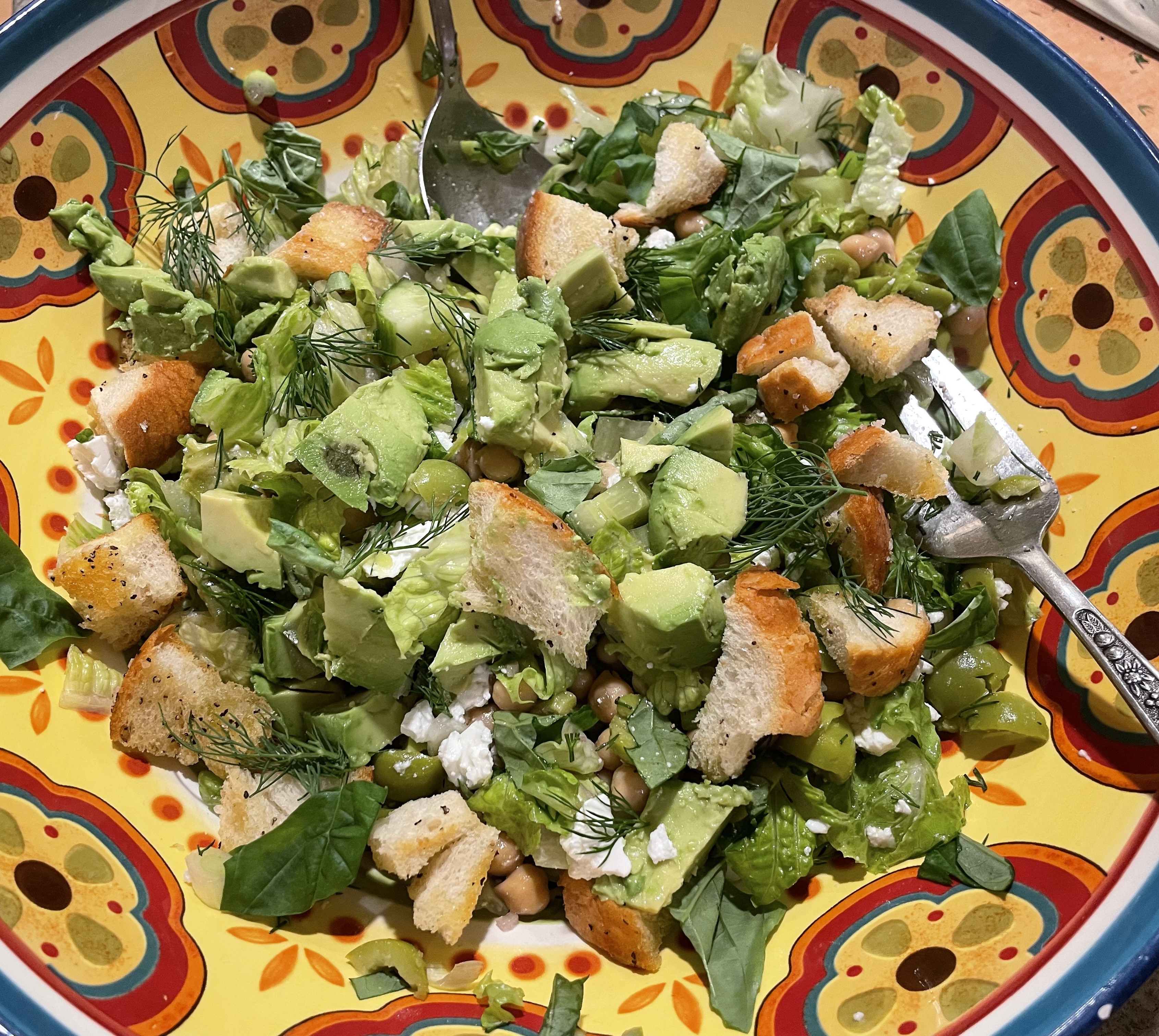
Monday: Leftovers w/ Copped Salad w/ Chickpeas, Feta & Avocado
Tuesday: Dinner at Susan and Rich’s
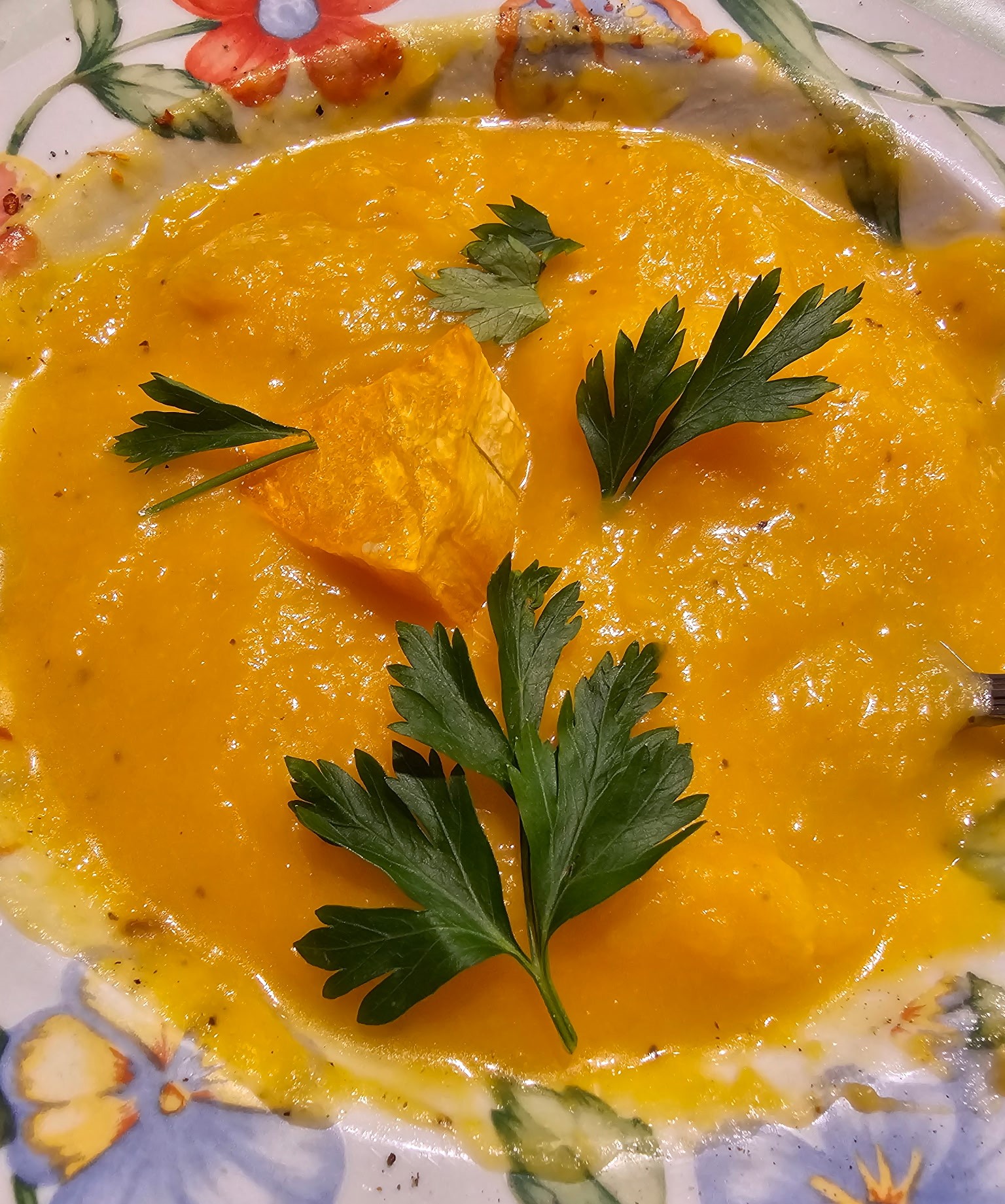
Wednesday: Butternut Squash and Apple Soup / Turkey-Brie Sandwiches
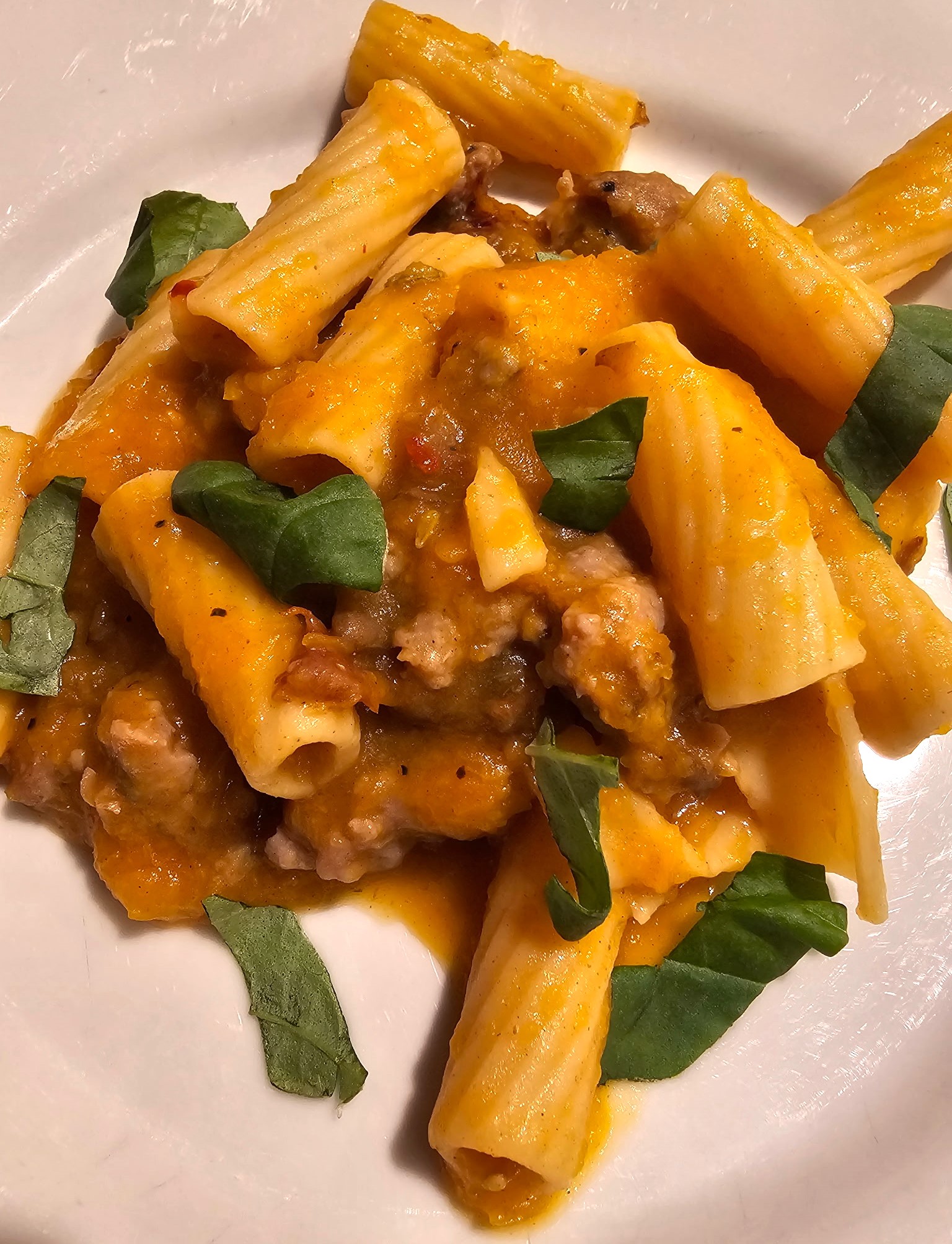
Thursday: Midnight Bolognese with Rigatoni
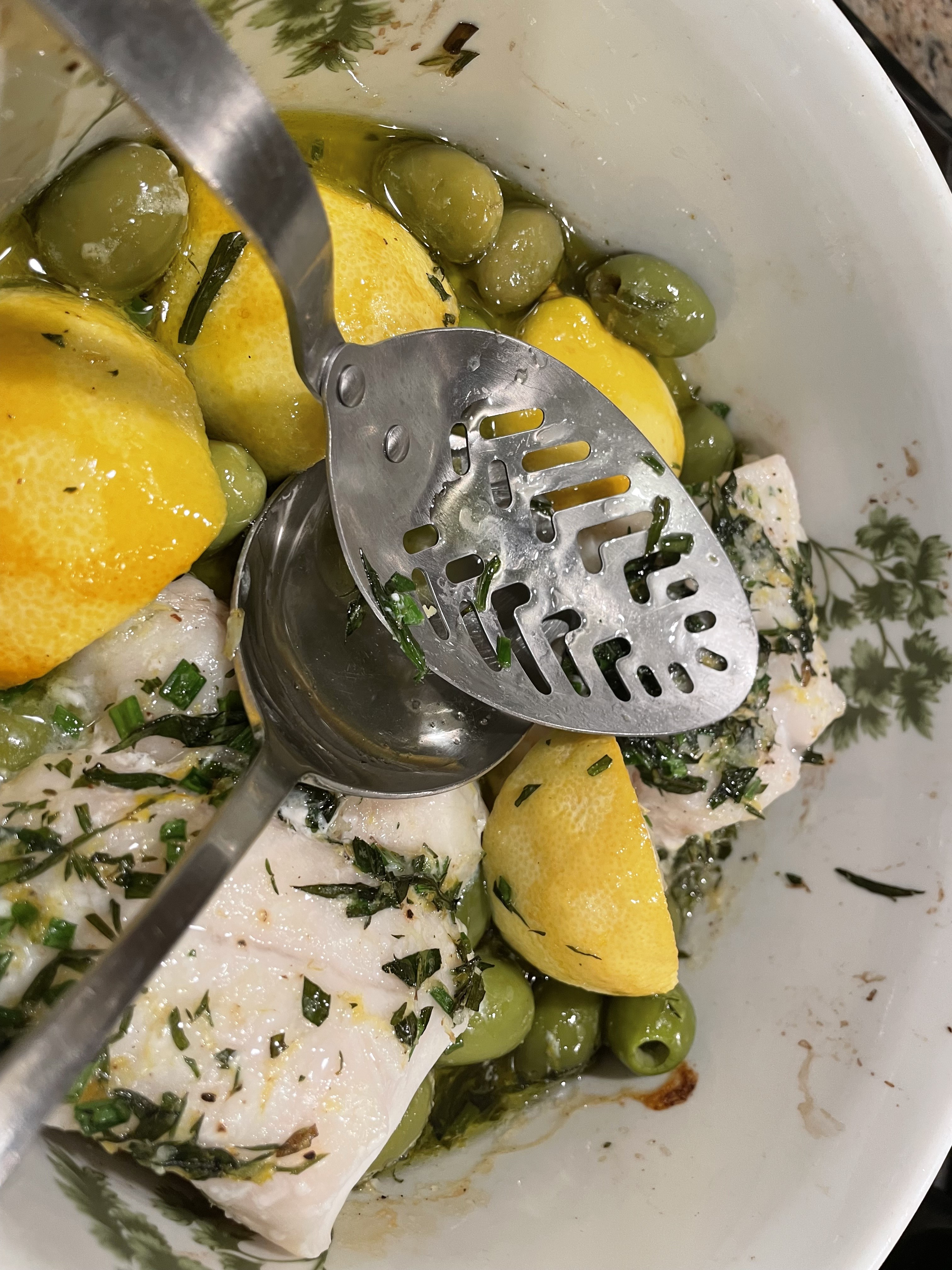
Friday: Baked Cod with Lemon Rice
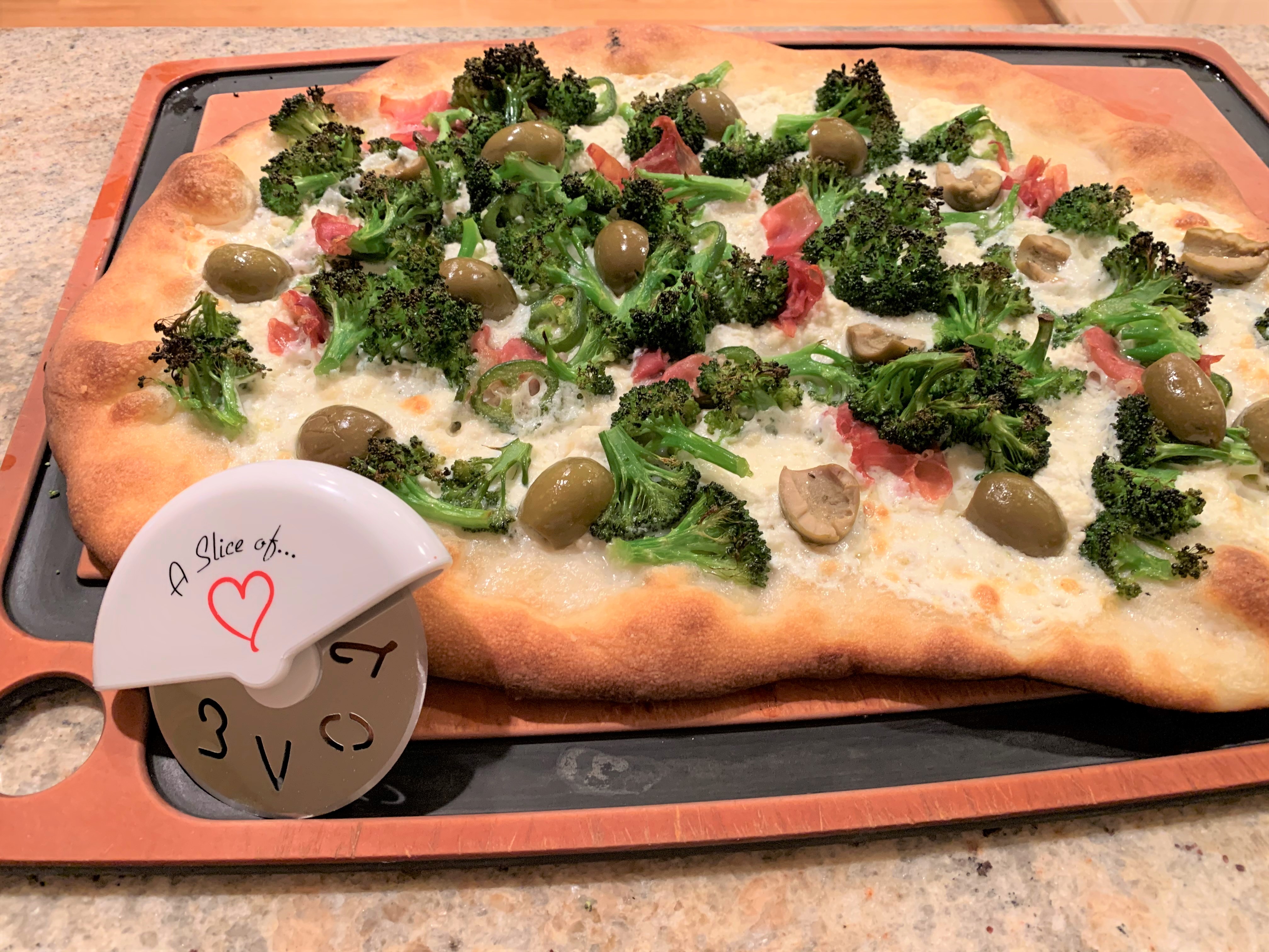
Saturday: Olive, Broccoli and Prosciutto Pizza
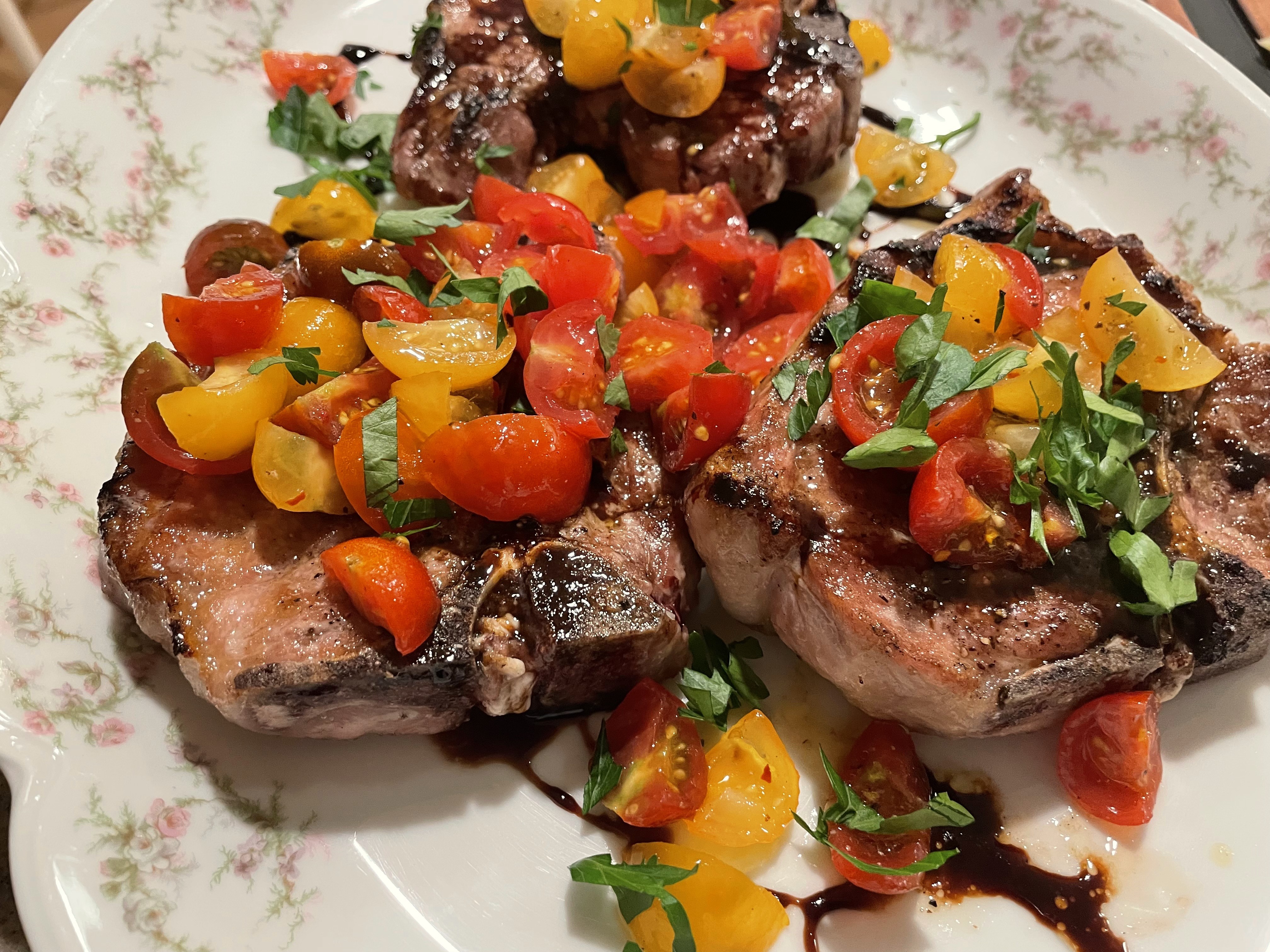
Sunday: Grilled Chops with Cherry Tomato Sauce, Potatoes, Salad
Very Good Bolognese and Sophia Loren
On Tuesday, we were treated to a spectacular dinner at Susan and Rich’s with Father Dale and a very cute dog (we had forgotten how good it is to have a canine in the family). Susan and Rich have a deck with a spectacular view of the Allegheny River and the food and drinks and Father Dale’s stories made it a fine evening. We hope we behaved well enough to be invited back.
Back at Casa Stuarti, it was a week of wonderful meals with one of our favorites smack in the middle of it. Everybody I know loves a good Bolognese sauce and every man I know loves Sophia Loren.
How do Bolognese sauce and Sophia Loren go together, you ask? I’m going to let Sophia answer that:
“Everything I have, I owe to spaghetti (pasta)” – Sophia Loren
If you have any daughters, you might want to invest in semolina flour.
But whether or not you have daughters, you’ll want to know how to cook a good Bolognese. And you can find many, many recipes for doing so. I love Lynne Rosetta Kasper’s recipe and Marcella Hazan’s and Geoffrey Zakarian’s which features perciatelli. All of these recipes will impress your family and friends and even Sophia Loren. But they all will take some time – great Bolognese is a slow-cooked sauce because it takes time for all of the flavors to come together and develop that earthy richness that makes it so addictive.
If you’re in a hurry – and which of us is not these days, for no particularly good reason, I will add – you can cook very good Bolognese in under an hour. And the genius who figured this out is one of the go-to chefs for home cooks, the great Alex Guarnaschelli. And, unsurprisingly, this recipe comes from her indispensable cookbook, “The Home Cook.” This recipe works when you need to get food on the table for a hungry family – but it also works when you want to impress only-sort-of-hungry guests who have time for hors d’oeuvres and cocktails. It would be fair to charge you for this recipe, but I will offer it for free. (Please consider inviting me over when you cook it – I’ll bring a good Chianti)
Note: Bolognese is typically served with Pappardelle or some wide noodle, but this recipe also works with Rigatoni Rigate – the hollow interior and exterior ridges of which help to trap the sauce, and the sauce is the deal here, after all. Bolognese tends to slide off spaghetti and thin noodles, but hey, if the gang is hungry, use whatever pasta comes to hand.
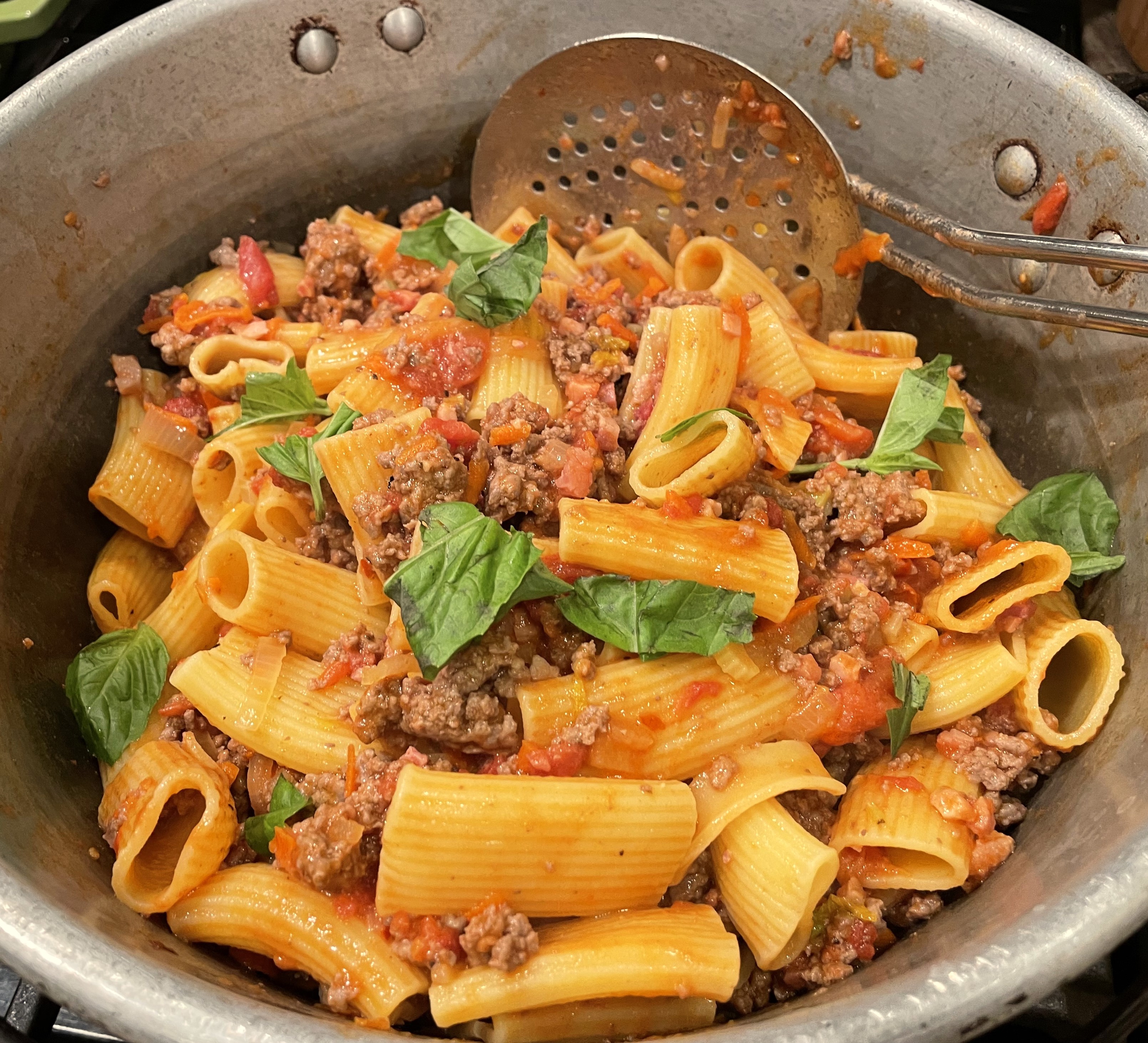
Midnight Bolognese
(adapted from Alex Guarnaschelli)
Timing: 40-50 minutes
If you can manage to cook the pasta while finishing the sauce – 30 minutes
Ingredients:
1 pound dried rigatoni pasta
1 ½ pounds ground beef (we use chuck)
1 (28) oz. can whole, peeled tomatoes (splurge and get San Marzano, not “San Marzano-style”)
2 ounces pancetta, finely chopped (you can use uncured pork belly – but pancetta is easy to get in 3 or 4 oz. packages, already chopped up)
1 medium carrot, grated
2 small celery stalks (use the inner layers) thinly sliced (I chop the leaves at the top of the stocks, too – they have a lot of flavor)
2 medium shallots, halved and finely sliced (substitute white or yellow onion, if you wish)
5 garlic cloves, minced – we use a teaspoon of garlic powder
3 tablespoons extra-virgin olive oil
2 tablespoons canola oil
1 teaspoon sugar
1 teaspoon red pepper flakes
1 cup dry white wine (you can substitute water or chicken broth, but the wine adds better flavor)
1/4 cup heavy cream
2 cups Parmigiano Reggiano, finely grated
Prep:
Put a large pot of water on a low burner, so that you can bring it to a boil later to cook the pasta
Chop the pancetta
Slice the celery and shallots
Grate the carrots
Grate the cheese
Measure out the wine and heavy cream
I put the tomatoes, with their juices into a large bowl and crush them by hand or cut them into small pieces with scissors. Most recipes call for crushing the tomatoes as they cook with a wooden spoon, but I’ve found that the tough ends of the tomatoes are difficult to crush and they’re not unpleasant, but not particularly pleasant to eat in one lump.
I place the ground beef on a plate and spread it out into a thin, flat disc so that it’s easier to cook.
Cook:
Make the Sauce
Heat the olive oil over medium in a skillet. When the oil begins to shimmer, add the pancetta and cook, stirring until it brown slightly – a minute.
Add the carrot, celery, shallot and garlic and season with the sugar and 1 tablespoon of salt. Cook until the shallots are translucent – about 7 minutes. Add the canned tomatoes with their juices and bring to a simmer over low heat until the tomatoes break down – 15 minutes.
While the tomatoes simmer, brown the beef: Heat the canola oil in a Dutch oven or an over-sized skillet over medium until it shimmers and add the beef in a single layer. Season it with 1 ½ teaspoons salt and cook, stirring, until it browns – about 7 minutes. (Note: at this point you might find a lot of liquid in the skillet, if you’ve bought the ground beef from a supermarket. I use a large spoon to push the beef towards one side of the skillet, then tilt it and use several paper towels to sop up the excess liquid. It will be okay if you don’t do this, but not as rich or meaty.)
Now stir in the red pepper flakes and the white wine and simmer over medium until the wine cooks out and melds with the beef – about 7 minutes. Taste for seasoning and then pour the tomato sauce and cream over the ground beef.
Stir to incorporate all the ingredients and then simmer over medium for 3 minutes and then remove from the heat and allow the sauce to rest while the pasta cooks.
While the sauce is simmering, kick up the burner under the salted water to high to bring it to a boil.
When the salted water is boiling, add the pasta and stir to make sure it doesn’t clump or stick to the pan. Cook until al dente, reserve a few ladlesful of the pasta water and drain.
Toss the pasta with the bolognese, coating it fully. (If the sauce has been sitting for over 10 minutes, put a flame under it to heat as you mix in the pasta and pasta water.) Stir in some of the saved pasta water if the mixture seems too thick or dry. Serve immediately with grated parmesan on the side.
If you’ve planned ahead, you will have invited either Sophia Loren or me to dinner (preferably both of us). Enjoy.

